
Article
When Is the Best Time to Visit Lake Sevan?
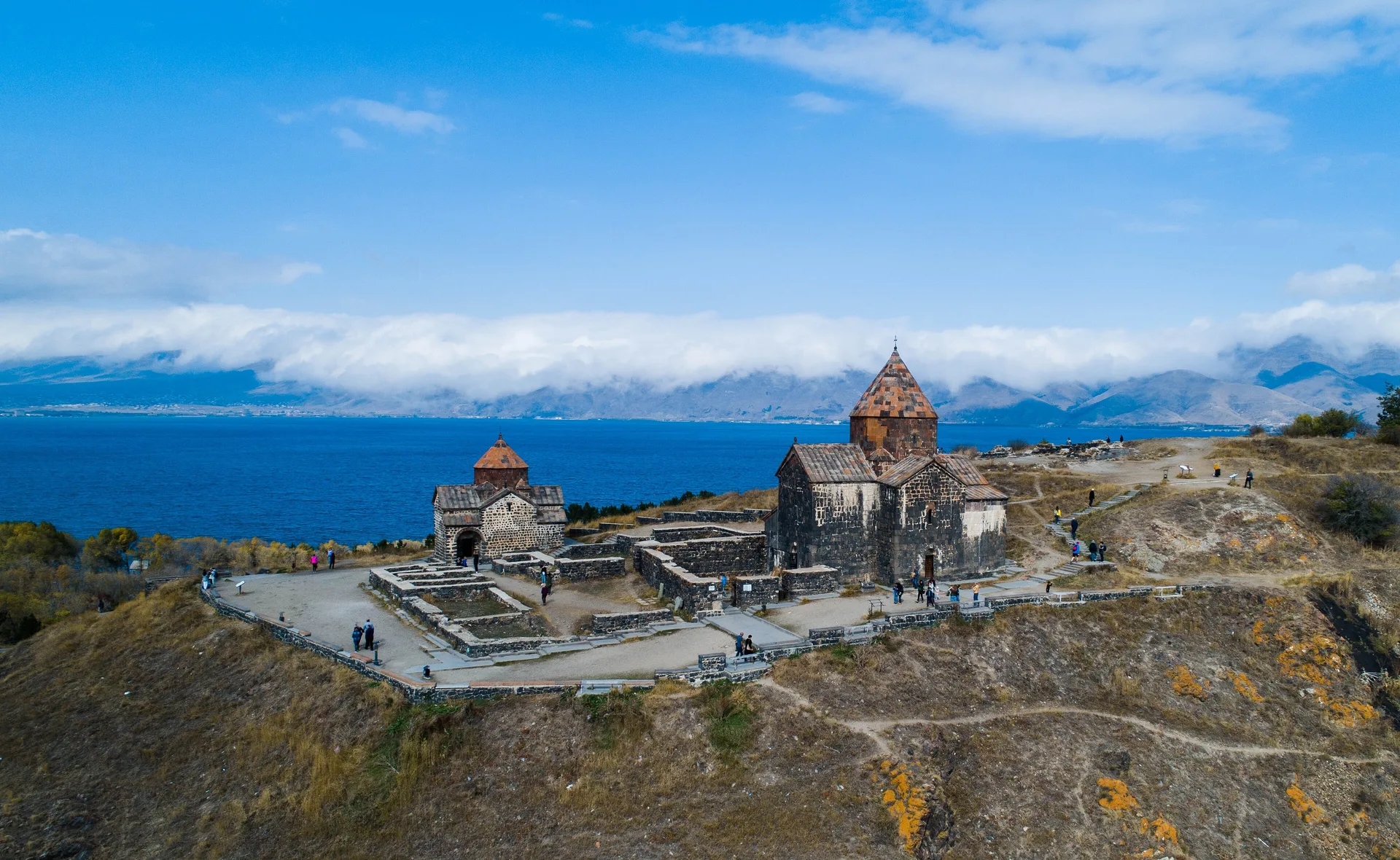
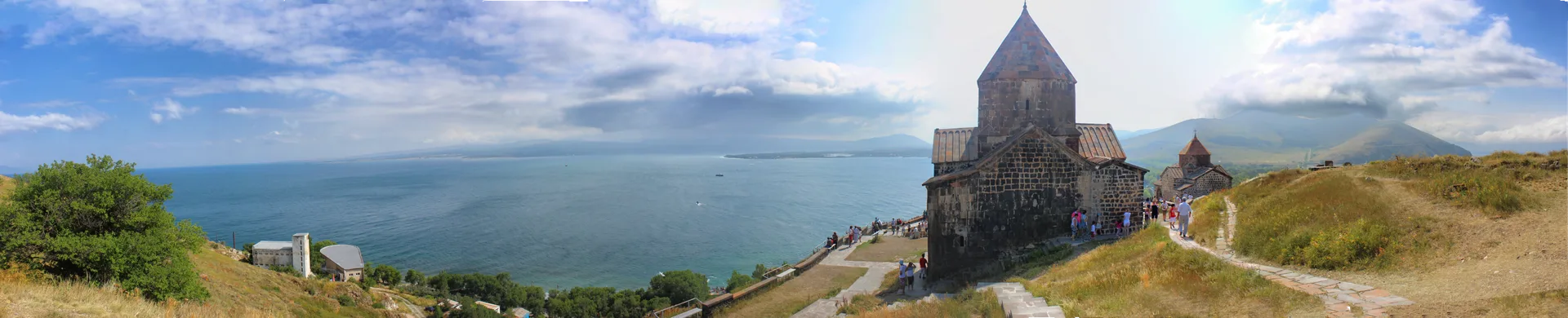
You can visit Lake Sevan throughout the year, but it feels like four different destinations depending on the season. When somebody asks me for the “best” time, the first question is what they actually want: swimming, photography, a quiet monastery visit, or simply a stop on a larger Armenia itinerary.
Lake Sevan lies at roughly 1,900 meters above sea level, so its weather can be very different from Yerevan. It may be hot in the capital while a light jacket feels useful beside the lake because of the wind.
July and August: Best for Time by the Water
For a beach-oriented visit, I would choose midsummer. July and August have the fullest summer atmosphere, more open lakeside facilities and generally the most comfortable period for swimming.
The trade-off is crowds, particularly on weekends. If possible, arrive on a weekday or earlier in the day.
If your main goal is Sevanavank Monastery, you do not need to wait for August. Sightseeing can actually be more comfortable in cooler weather.
June: A Good Compromise
June has long days, green landscapes and usually less intense heat than peak summer. It is one of the months I like for a combined Sevan–Dilijan day.
I would not, however, promise warm swimming conditions every day. A high-altitude lake does not warm like a southern seaside resort.
For a sightseeing route, combine Sevan with Dilijan, Haghartsin Monastery or Lake Parz.
September: My Favorite for Sightseeing
Early September often gives a very good balance: enough daylight, pleasant daytime conditions and fewer summer holiday crowds.
By late September, evenings become cooler, so an extra layer is no longer just an emergency item — it is normal clothing for the day.
For travelers who come to Armenia for touring rather than beaches, I rate September very highly.
October: Beautiful but Cooler
October works especially well if you combine Sevan with Dilijan as the forests begin to change color.
At the lake, wind can make the temperature feel much colder than a Yerevan forecast suggests. I would not leave the capital in light city clothing just because the morning is sunny.
For travelers who dislike crowds, October can be excellent.
Winter: Is Sevan Worth It?
Yes, if you know what you are going for. Winter Sevan is not a beach resort; it is a cold high-altitude landscape. On a clear day, snow, dark water and the monastery can look dramatic.
The day is shorter, strong wind is possible, and the steps to Sevanavank may be slippery. I would always check the forecast and avoid overloading the schedule.
In winter, Sevan combines naturally with Tsaghkadzor, particularly if you want both a ski-resort atmosphere and the lake in one day.
Spring: Do Not Judge by Yerevan Weather
March and early April can still feel close to winter at Sevan even when Yerevan has obvious spring sunshine.
May is much more comfortable and nature starts to look fully alive. I would still keep a jacket or windbreaker in the car.
What Time of Day Is Best?
For sightseeing, I like the first half of the day. Parking is often easier, the light can be good and you still have time to continue to Dilijan or Tsaghkadzor.
If you want sunset, remember the return journey and the rapid temperature drop after the sun goes down.
What to Wear
Even in summer, carry one additional layer. It does not have to be a heavy jacket — a light sweater or windbreaker is often enough.
In spring and autumn, closed shoes and wind protection are useful. In winter, dress properly for cold conditions and choose footwear with decent grip.
For the stairs to Sevanavank, comfortable shoes matter more than creating the perfect summer outfit for a photograph.
How Long Should You Stay?
Sevan and Sevanavank alone can be a short trip from Yerevan. In practice, I often suggest using the road more efficiently and adding one more destination such as Dilijan, Haghartsin or Tsaghkadzor.
Browse our day trips from Yerevan for different combinations involving Lake Sevan.
The Short Answer
- July–August: beaches and swimming;
- June and September: comfortable sightseeing;
- October: fewer people and beautiful autumn routes through Dilijan;
- winter: scenery, snow and atmosphere rather than a beach day;
- May: a good spring visit, but keep warm clothing in the car.
The most useful Sevan advice is simple: do not dress according to the weather in Yerevan. The difference between the capital and a high-altitude lake can surprise even repeat visitors.
Main image: Vahag851 / Wikimedia Commons, CC BY-SA 4.0.

Gallery image: Beko / Wikimedia Commons, CC BY-SA 4.0.
