
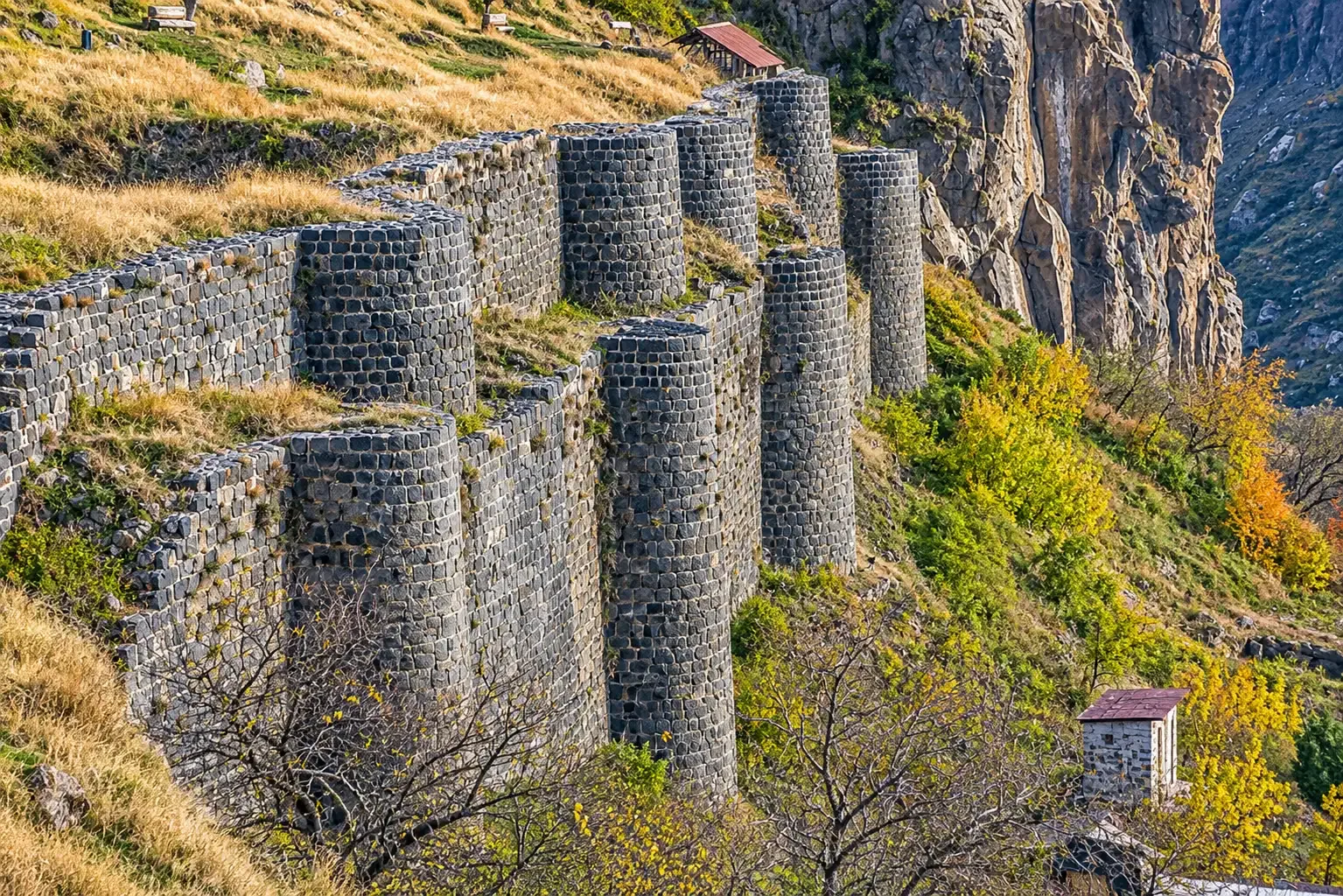
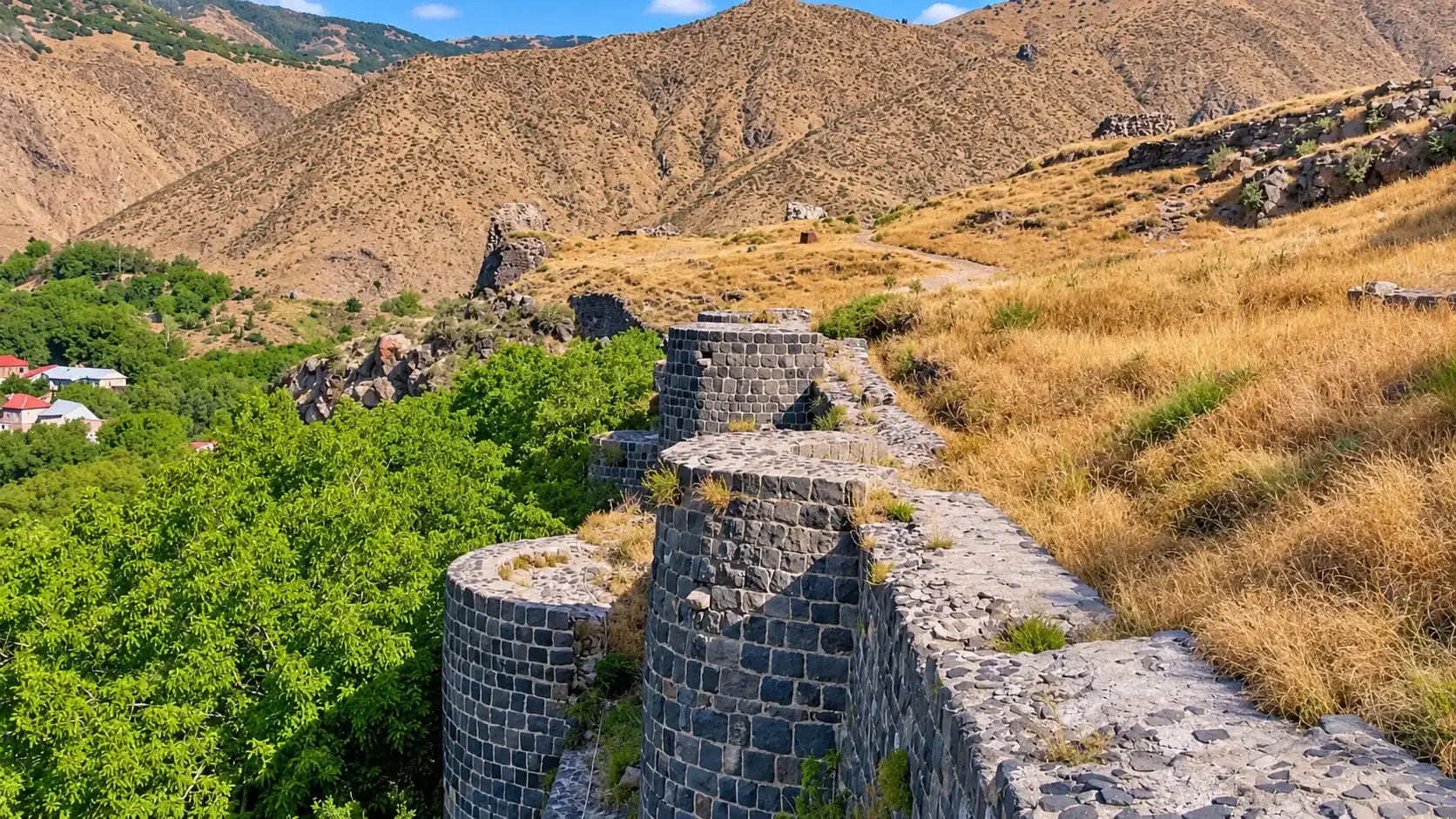
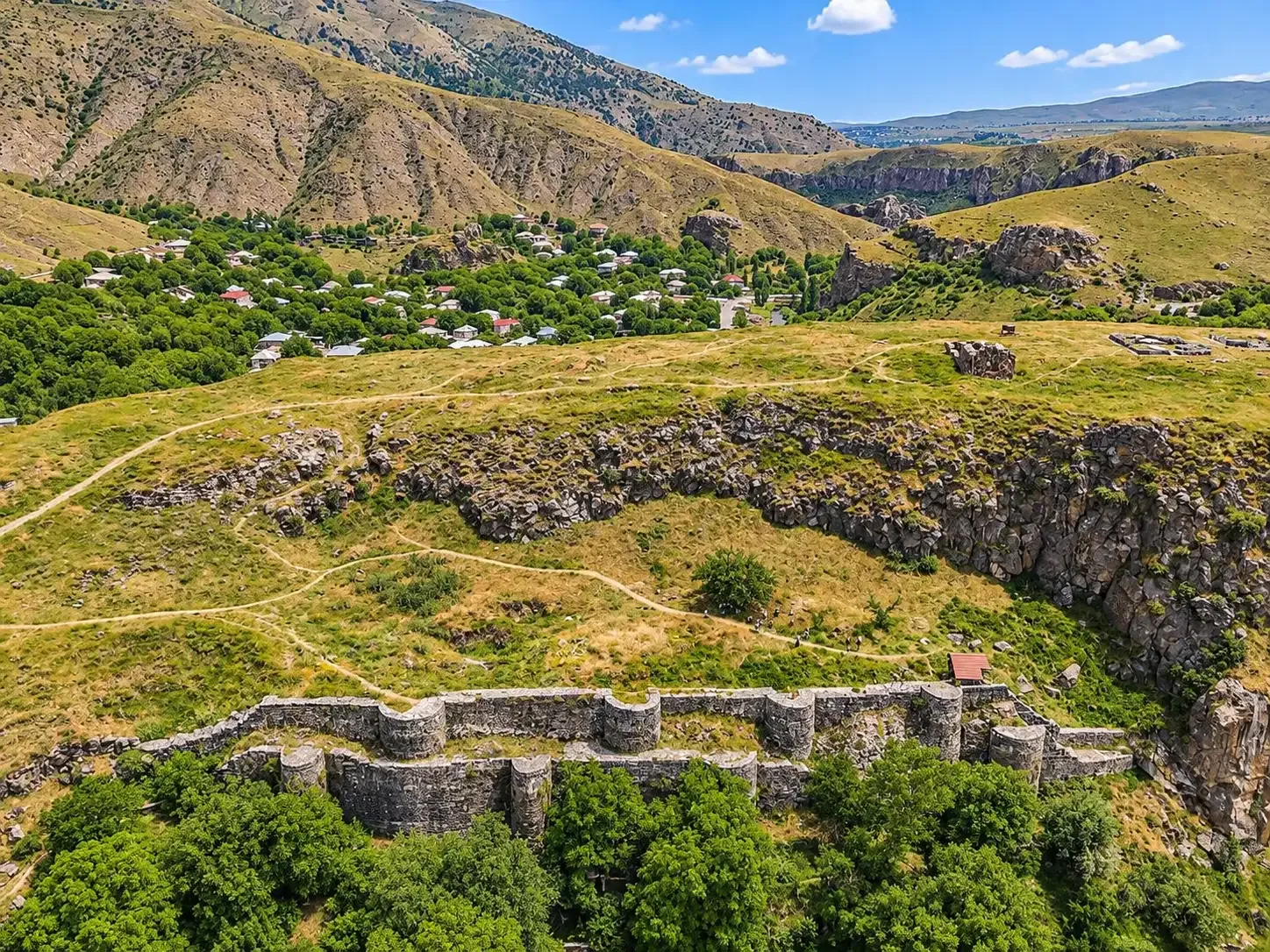
Bjni Fortress is a historical monument of medieval Armenia, located in the village of Bjni in Kotayk Province, on a high rocky elevation overlooking the Hrazdan River Gorge. Its natural position gave the fortress considerable strategic importance for many centuries. Steep slopes and deep ravines provided natural protection, while its elevated location offered a wide view of the surrounding territory. Today, the site attracts visitors interested in history, architecture, and natural landmarks who wish to discover lesser-known aspects of Armenia's past.
The history of the fortress is closely connected with the influential Armenian princely family of the Pahlavunis, whose members played an important role in the country's political and public life. One of the most notable historical figures associated with Bjni was Grigor Magistros Pahlavuni, a prince, statesman, scholar, and educator. During his lifetime, the settlement gained considerable importance and developed into one of the region's prominent centers. Later, the fortress came under the control of the Zakarian princes. Over the following centuries, it experienced numerous historical events, periods of destruction, and reconstruction, gradually losing its original military significance.
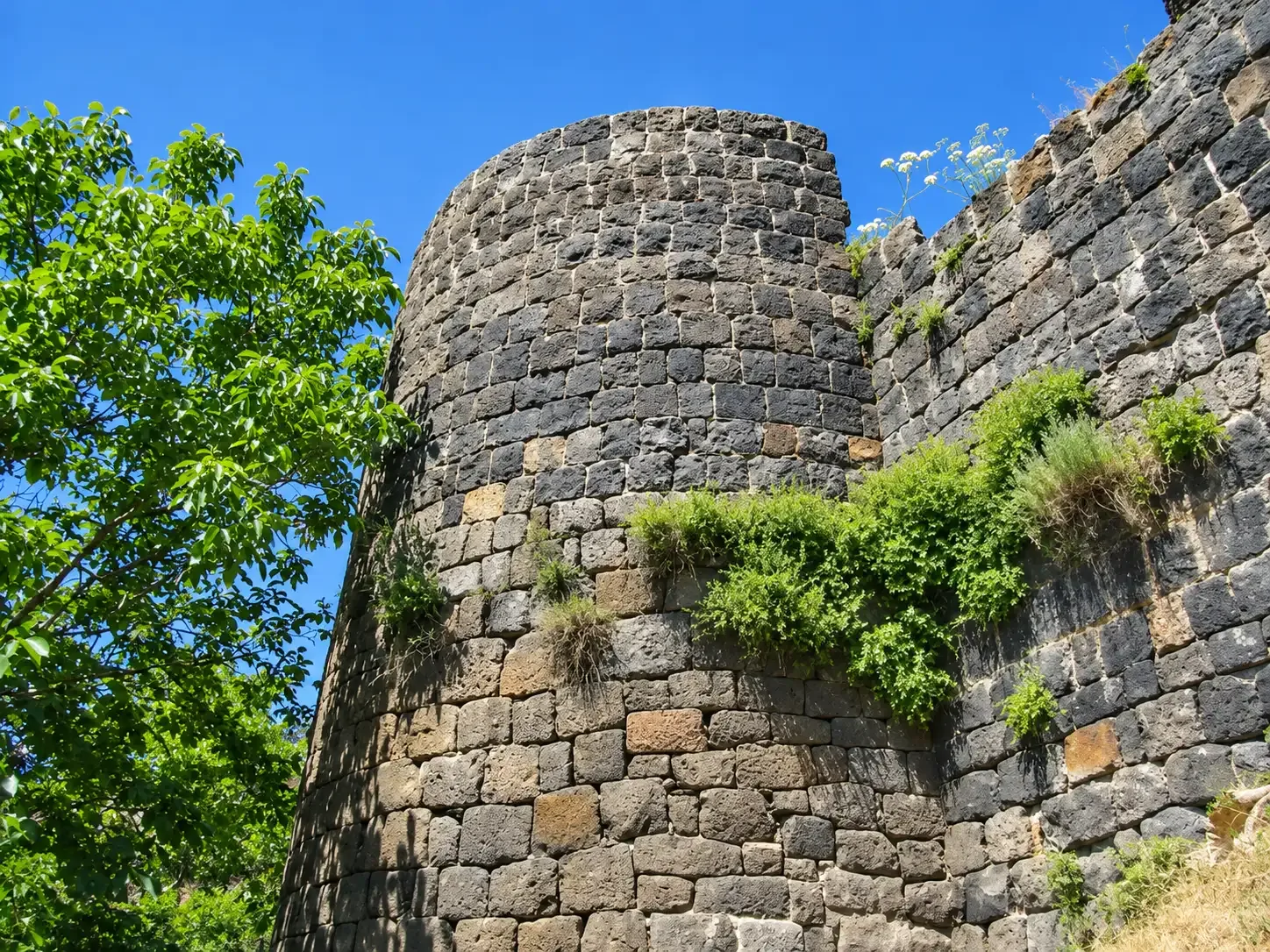
The fortress's architectural design was largely determined by its geographical position. It was built on an inaccessible rocky promontory surrounded by natural cliffs. This location reduced the number of vulnerable approaches and provided excellent opportunities to monitor the surrounding territory. The fortified area was divided into upper and lower sections, protected by stone walls and defensive towers. This arrangement created several layers of defense and allowed the builders to make effective use of the natural landscape.
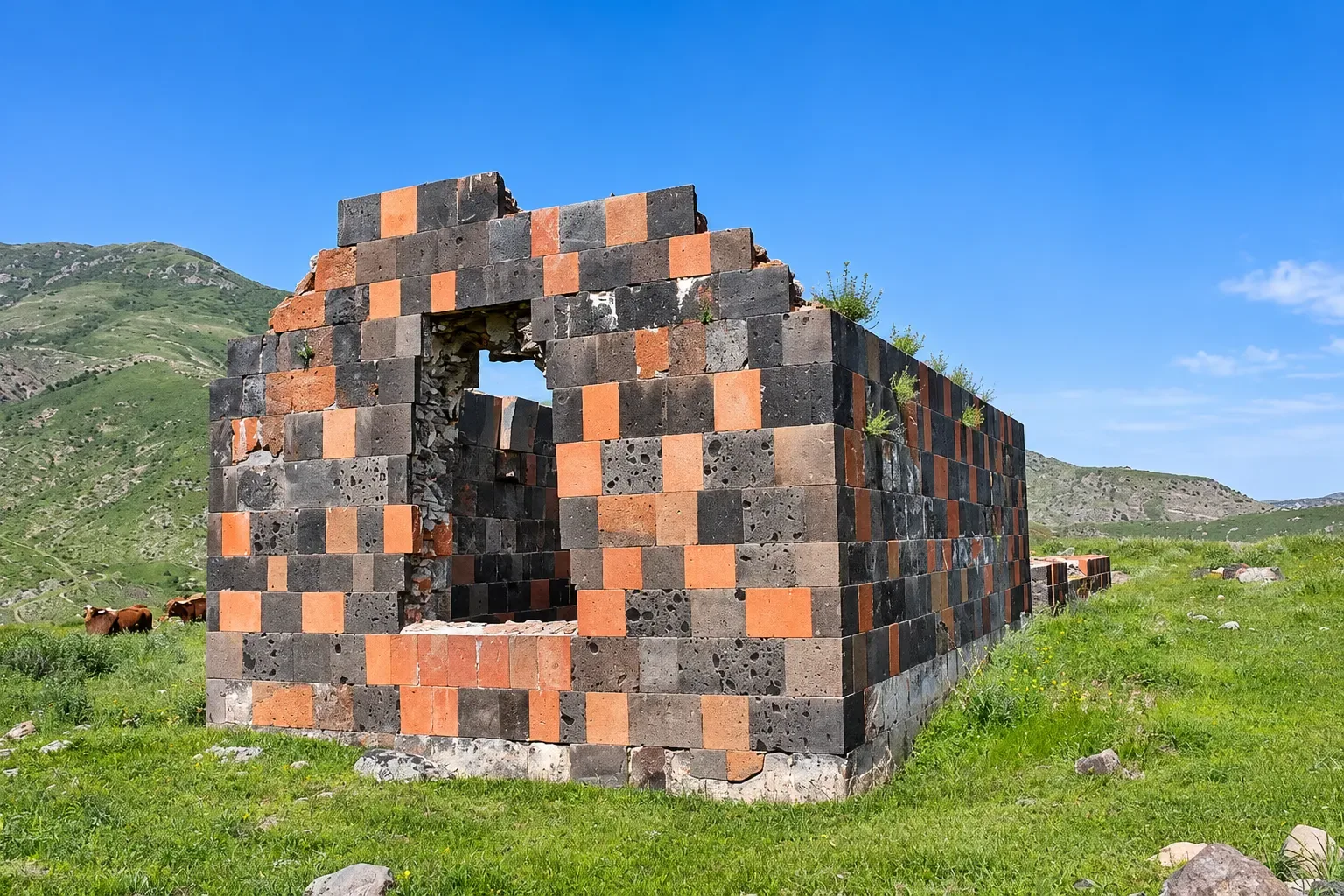
Today, fragments of the fortress walls, remains of towers, and traces of various structures can still be found throughout the site. Architectural and archaeological evidence suggests that the interior once contained residential quarters, utility buildings, and facilities necessary for the long-term accommodation of the military garrison. Among the most interesting surviving structures are the remains of the Holy Cross Church and an ancient water reservoir. These stone constructions provide insight into the building techniques and defensive architecture of medieval Armenia.
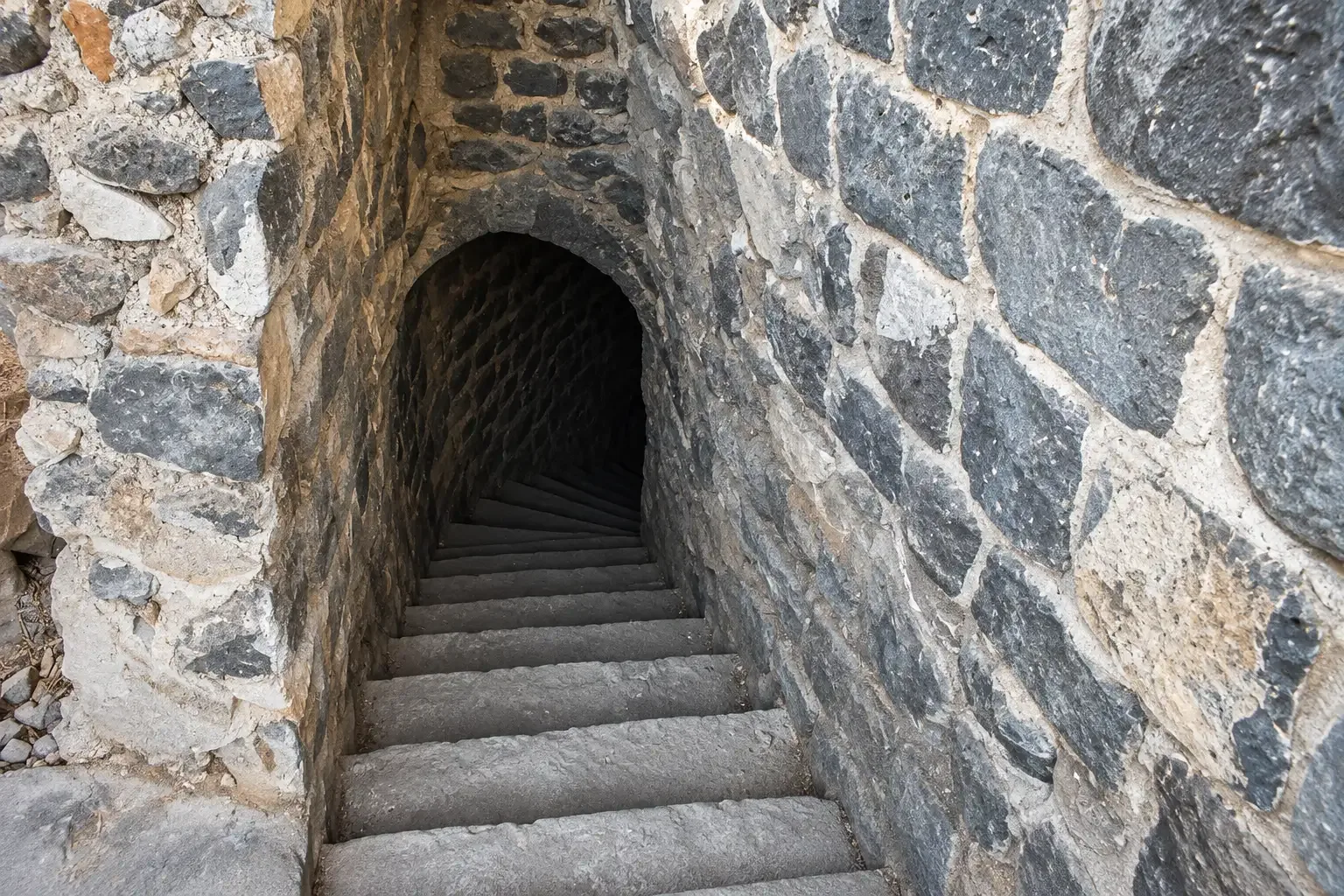
One of the most mysterious features associated with Bjni Fortress is an underground passage. According to local traditions and historical accounts, it may have connected the fortress with the lower section of the gorge. It is believed that the passage could have provided access to water and served an important purpose during prolonged sieges. Underground routes were valuable elements of medieval fortifications, as they helped maintain essential supplies and communication when access to the outside world was restricted. The story of this passage adds an atmosphere of mystery to the historic site.
The village of Bjni is also known for its religious heritage. One of its most significant monuments is Surb Astvatsatsin Church (Holy Mother of God), built in 1031 during the time of Grigor Magistros Pahlavuni. The church is an important example of medieval Armenian religious architecture and reflects the settlement's historical role in the spiritual life of the region. Another noteworthy landmark is the small Church of Saint Sargis, which dates back to the early medieval period. Together, these religious buildings complement the historical character of Bjni and provide a deeper understanding of the region's architectural traditions.
The natural surroundings of the fortress are equally impressive. From its elevated position, visitors can enjoy panoramic views of the Hrazdan River Gorge, dramatic cliffs, mountain slopes, and green sections of the valley. The contrast between the ancient stone structures and the surrounding landscape creates a distinctive atmosphere. The scenery changes throughout the year: spring brings fresh greenery to the slopes, summer offers expansive mountain views, and autumn transforms the surrounding vegetation into warm golden colors.
A visit to Bjni provides an opportunity not only to explore the fortress ruins but also to discover the historic atmosphere of the village itself. Walking through the surrounding area allows visitors to see ancient churches, traditional stone buildings, and picturesque natural landscapes. Thanks to its location in Kotayk Province, Bjni can easily be included in a travel itinerary featuring other historical and natural attractions of central Armenia.
Bjni Fortress represents an important part of Armenia's historical heritage, bringing together medieval military architecture, princely history, and religious traditions. The surviving defensive structures, ancient buildings, churches, and stories about underground passages help illustrate the role this stronghold once played in the region. Today, Bjni remains an interesting destination for travelers who wish to explore Armenia's historical monuments, admire the panoramic scenery of the Hrazdan Gorge, and discover the distinctive cultural heritage of Kotayk Province.